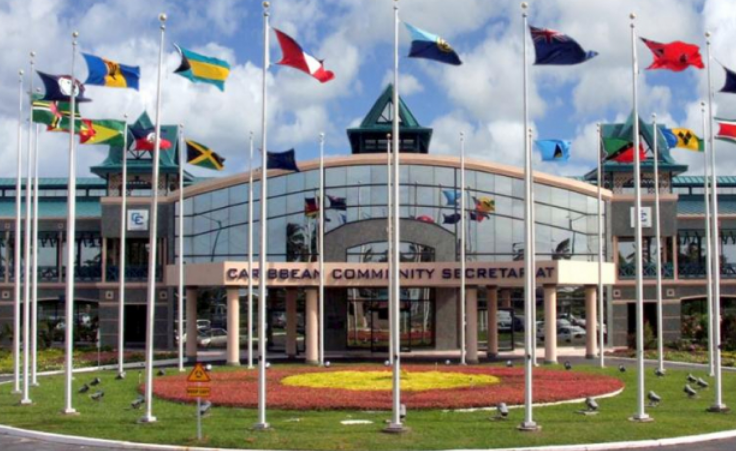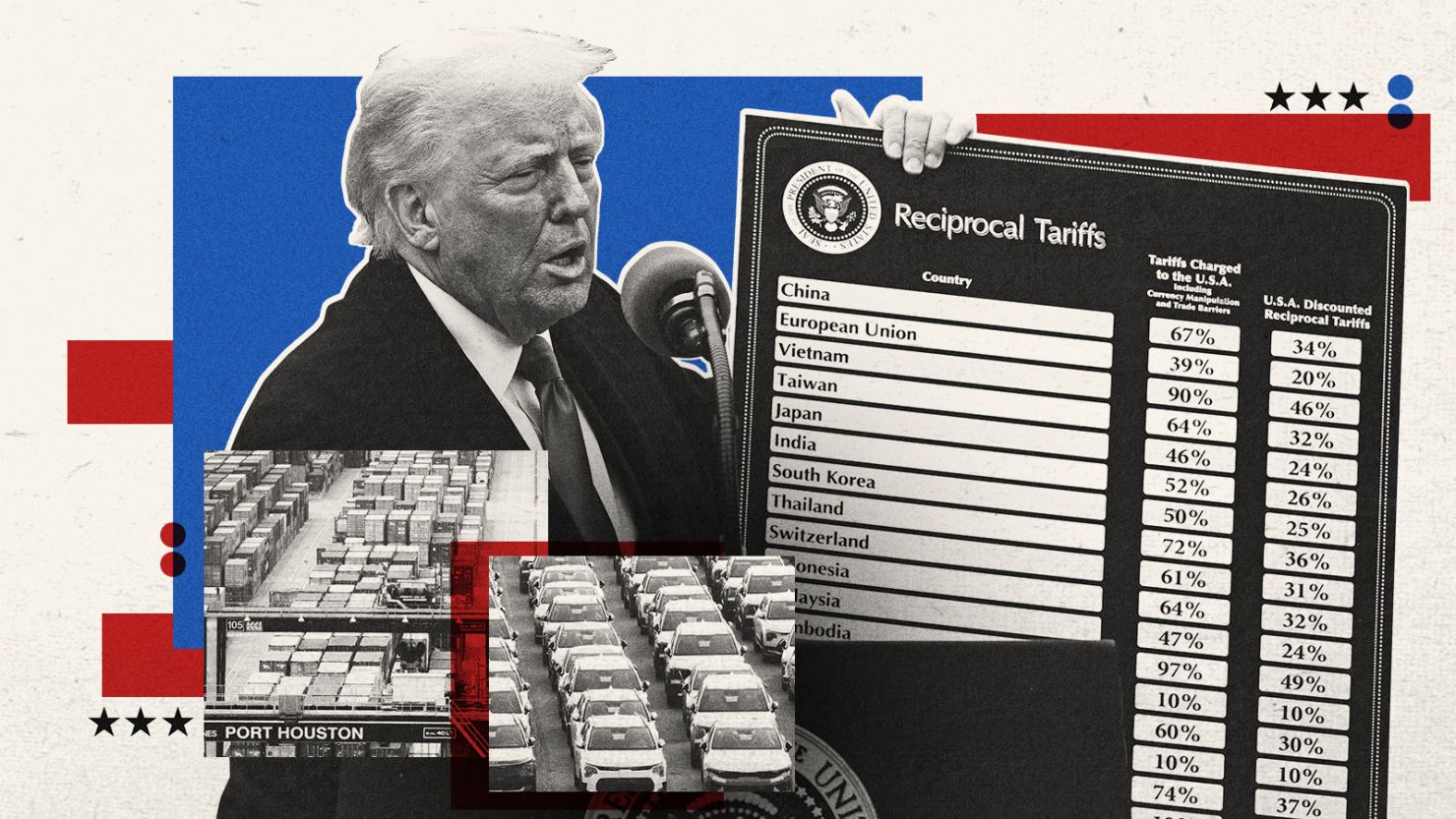
Global commerce in the Caribbean has long been shaped by its strategic position astride key maritime corridors linking the Atlantic, Gulf Coast, and Panama Canal. Small island economies depend heavily on lawful international trade, tourism, and energy imports to sustain growth and public services. At the same time, these sea lanes have become conduits not only for legal goods but also for illicit trafficking, creating a complex intersection where economic opportunity and criminal enterprise overlap.
Illicit drug trafficking remains a persistent challenge throughout the region. Transnational cartels, including Mexican and South American syndicates, exploit the archipelago’s geography and limited surveillance capacity to move vast quantities of narcotics toward North American and European markets. The United States Coast Guard’s interdiction efforts underscore this dynamic: in 2025, the cutter Diligence interdicted vessels off Jamaica, resulting in a historic offload of nearly $65 million in seized narcotics, disrupting shipments of cocaine and marijuana in international waters of the Western Caribbean Sea. U.S. commanders described the operation as part of a sustained effort to “control, secure, and defend U.S. borders and maritime approaches,” highlighting the dual economic and security stakes involved in these interdictions. US Coast Guard News
Caribbean nations find themselves at the nexus of these pressures. Trade facilitation efforts aimed at boosting lawful commerce can be undermined by the very criminal networks that thrive on gaps in maritime governance. A coordinated strategy that strengthens ports, customs processing, and legal trade frameworks would not only support economic resilience but also reduce opportunities for smuggling operations that exploit commercial infrastructure.

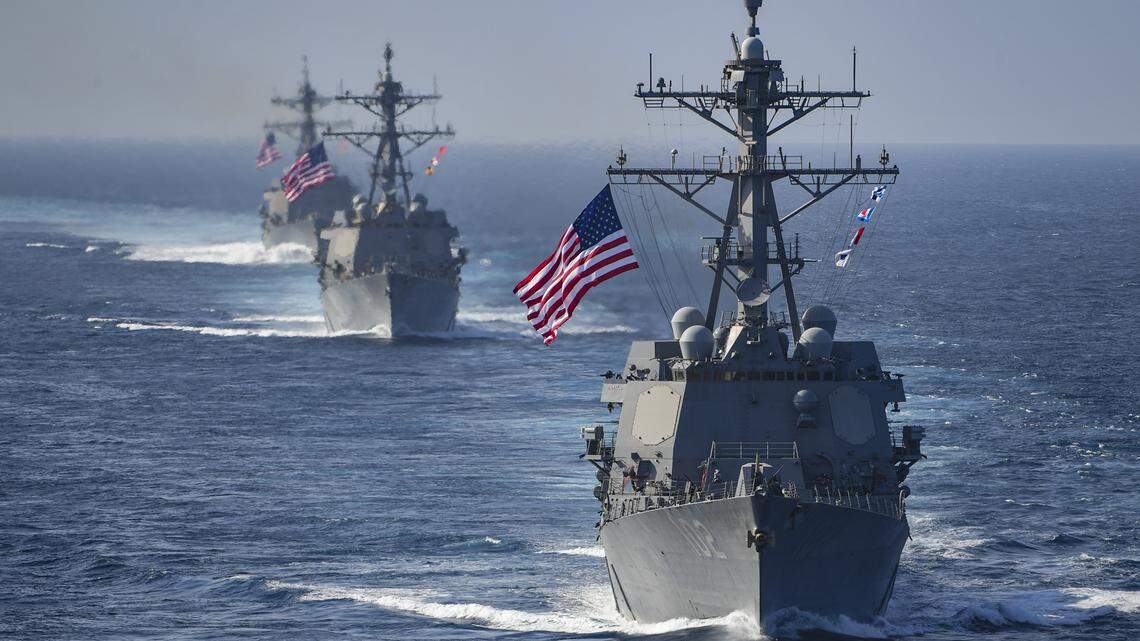
The term “war on drugs” has evolved significantly since its inception in the early 1970s, extending beyond domestic law enforcement to encompass foreign interdiction and counternarcotics assistance abroad. In 2025, the United States escalated its approach in the Caribbean Sea through Operation Southern Spear, deploying naval assets and conducting airstrikes against vessels suspected of trafficking narcotics. As of December, U.S. military strikes had targeted more than twenty alleged drug boats in Caribbean waters, resulting in dozens of fatalities and sparking legal and diplomatic controversy.
Supporters within the U.S. administration have framed these actions as necessary to disrupt the revenue streams of cartels described as “narcoterrorists,” asserting that traditional interdiction has failed over decades. However, rights groups and international partners have raised significant concerns. Critics argue that lethal strikes lack transparent legal justification and risk civilian harm, prompting some allied states to suspend intelligence sharing in protest. Caribbean and Latin American governments have likewise expressed unease about extrajudicial military engagement in their maritime zones, emphasizing that cooperation, legal processes, and respect for sovereignty are essential to sustainable progress against drug trafficking.
At the same time, multinational law enforcement and interdiction operations — such as coordinated Coast Guard patrols under frameworks like Operation Caribbe — demonstrate the potential for collaborative approaches that respect both legal norms and mutual interests. These initiatives, when paired with economic development and judicial reform, underscore that maritime security and economic stability are intertwined.

The geopolitical landscape of trade and security in the Caribbean has been further complicated by recent high-profile enforcement actions targeting energy shipments. In December 2025, the United States seized a Cuba-bound Venezuelan oil tanker, the Skipper, off the Venezuelan coast in a sanctions enforcement operation that Washington described as part of its broader effort to disrupt illicit networks tied to sanctions violations. Cuba condemned the action as “piracy” and a violation of international law, illustrating how economic interdiction can bleed into diplomatic contention. [The Guardian]
This episode highlights the inherent tension between enforcing economic sanctions and preserving cooperative relationships with neighboring states whose energy security and trade linkages are deeply interwoven. For Caribbean nations, whose economies are vulnerable to both supply shocks and external pressure, the convergence of trade policy, sanctions enforcement, and counter-narco operations reinforces the need for transparent multilateral engagement rather than unilateral actions.
Legal scholars and international observers caution that heavy-handed military tactics risk alienating partners and undermining the regional cooperation necessary to address drug trafficking, economic stabilization, and human security simultaneously. A formal international dialogue that addresses both trade facilitation and cooperative security — anchored in respect for international law and shared economic interests — would be a constructive step toward stabilizing the Caribbean’s maritime domain amid these overlapping challenges.