As the Caribbean faces mounting economic strain, intensifying hurricane seasons, and renewed instability emanating from Venezuela, there is a growing strategic argument that former President Donald Trump should engage directly with regional leaders to reaffirm United States leadership in the basin.
The Caribbean remains highly exposed to external shocks. Inflation, food insecurity, and energy costs have disproportionately affected small island economies that rely on imports and tourism. At the same time, climate driven disasters have increased in frequency and severity, with hurricanes repeatedly damaging critical infrastructure, ports, and power grids. Recovery costs routinely exceed national budgets, forcing governments to seek emergency financing from external actors.
Compounding these pressures is continued instability in Venezuela. The country’s economic collapse and political repression have fueled ongoing maritime migration, with repeated reports of overloaded vessels sinking in Caribbean waters as migrants attempt to reach neighboring states. These incidents place humanitarian and security burdens on nearby nations that often lack adequate search and rescue capacity, coastal surveillance, or resources to manage sudden inflows of displaced people.
Against this backdrop, Trump’s long standing emphasis on hemispheric security and economic sovereignty positions him as a potential convening figure for renewed regional dialogue. A structured engagement with Caribbean leaders could focus on three core areas: economic stabilization, disaster resilience, and maritime security.
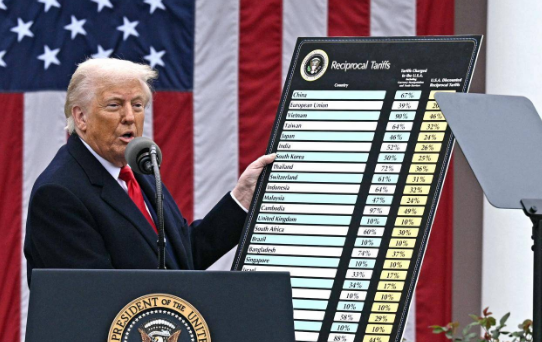
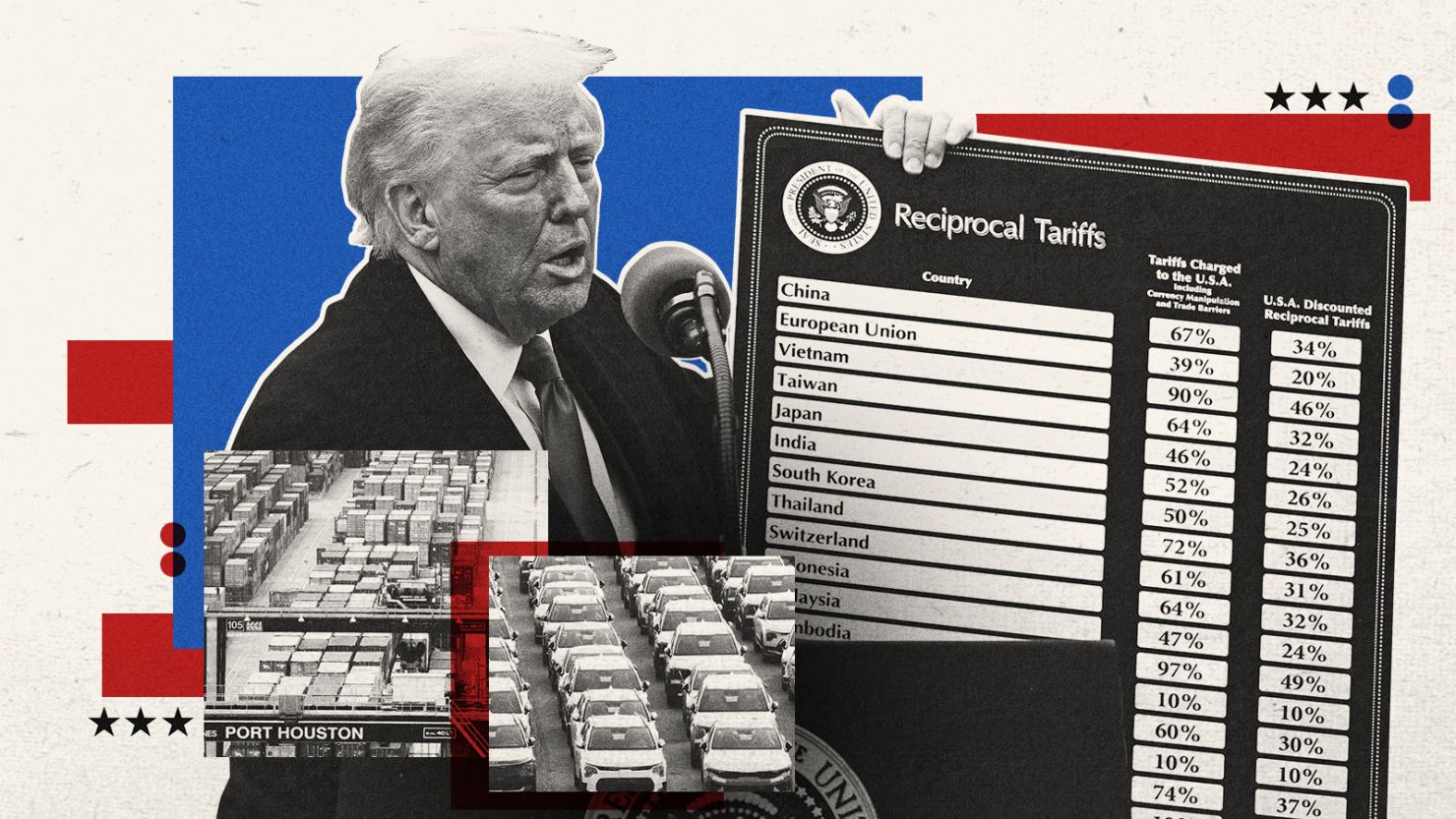
Economically, US engagement could prioritize trade facilitation, energy cooperation, and infrastructure investment aimed at reducing dependency on extra hemispheric powers. Many Caribbean governments continue to seek alternatives to high interest foreign financing for ports, telecommunications, and energy projects, areas where American capital and technical expertise could play a decisive role.
On disaster preparedness, coordinated planning with the United States could significantly improve early warning systems, logistics staging, and rapid response capabilities. Given the geographic proximity of US military and Coast Guard assets in the Gulf region, closer coordination would shorten response times during hurricanes and other natural disasters.
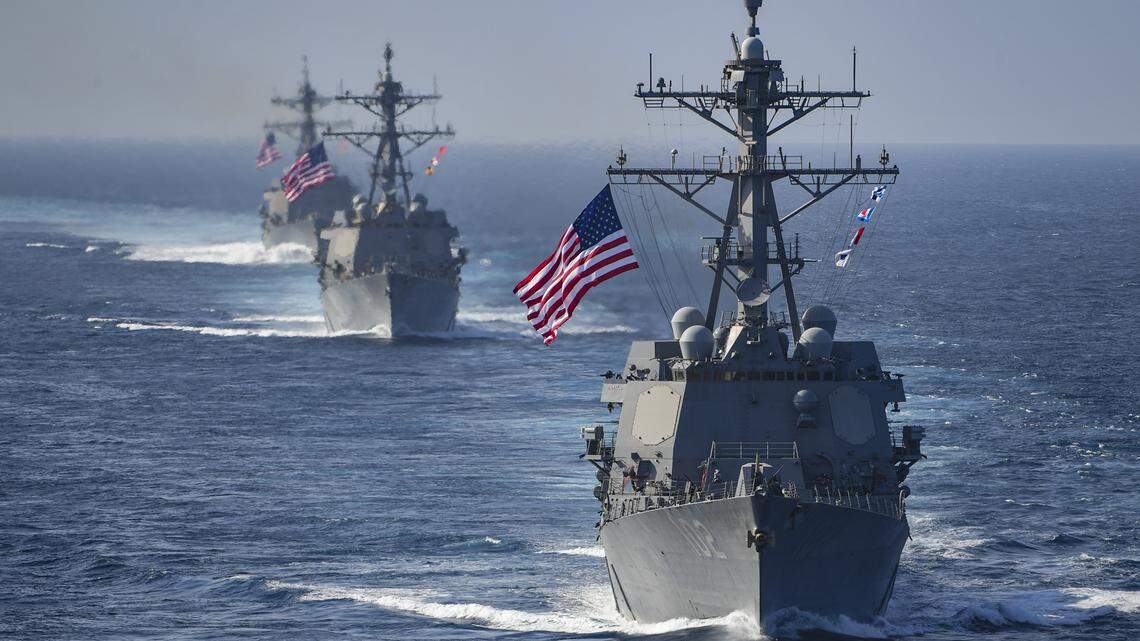
Security concerns further strengthen the case for engagement. Expanded maritime cooperation could address migrant smuggling, narcotics trafficking, and unsafe maritime crossings linked to Venezuela’s crisis. Joint patrols, intelligence sharing, and regional training initiatives would help stabilize sea lanes that are critical to both Caribbean economies and US commercial interests.
Diplomatic observers note that the Caribbean has often been treated as a peripheral concern in American foreign policy, despite its proximity and strategic importance. A concerted effort by Trump to meet with regional leaders would signal a recognition that economic hardship, climate vulnerability, and regional instability are interconnected challenges requiring sustained US attention.
Such engagement would not merely be symbolic. It would reflect a pragmatic acknowledgment that stability in the Caribbean basin directly affects the security, economy, and humanitarian interests of the United States itself.

Our commitment goes beyond precision and reliability; it extends to crafting tailored solutions for every business need. With a global reach seamlessly combined with local expertise, cutting-edge technology, and a customer-centric approach, we redefine logistics.
Recent enforcement actions by the United States further underscore the strategic importance of the Caribbean maritime domain. In several high profile cases, US authorities have seized oil tankers tied to Venezuela as part of sanctions enforcement, illustrating how illicit energy shipments and sanctions evasion networks operate through Caribbean waters. These seizures have highlighted both the scale of unlawful maritime activity in the region and the central role played by US naval, legal, and intelligence capabilities in policing critical sea lanes.
For Caribbean nations, such operations carry direct implications. Illicit shipping increases environmental risk, undermines lawful trade, and exposes small states to diplomatic and legal pressures they are often ill equipped to manage alone. A coordinated dialogue with regional leaders could clarify enforcement expectations, improve maritime safety, and establish shared protocols that balance sanctions compliance with humanitarian and economic concerns. In this context, direct engagement by Trump would signal a recognition that stability in Caribbean waters is inseparable from broader US economic, security, and energy interests.

To avoid further destabilization, a formal public meeting between US leadership and Caribbean heads of government would serve as a visible demonstration of confidence and continuity at a moment of regional strain. Such an engagement would help reassure local governments and markets that the United States remains committed to the stability of the Caribbean basin, reducing uncertainty that can exacerbate economic volatility and irregular migration.
Equally important, the opening and reinforcement of lawful local trade channels, supported by US logistical and financial capacity, would provide an alternative to informal or illicit maritime activity. With US military and Coast Guard assets already operating in the region, enhanced targeting of narcotics trafficking vessels and other criminal networks would strengthen security while protecting legitimate commerce. In this framework, public diplomacy paired with visible enforcement would be warranted as a stabilizing measure, aligning economic opportunity with maritime order rather than allowing instability to fill the vacuum.