International trade and logistics now operate at the intersection of economics, security, and geopolitics. Supply chains that once prioritized cost and speed must increasingly account for regulatory complexity, regional instability, and enforcement risk. For exporters, importers, and governments alike, the movement of goods has become inseparable from questions of sovereignty, compliance, and resilience.
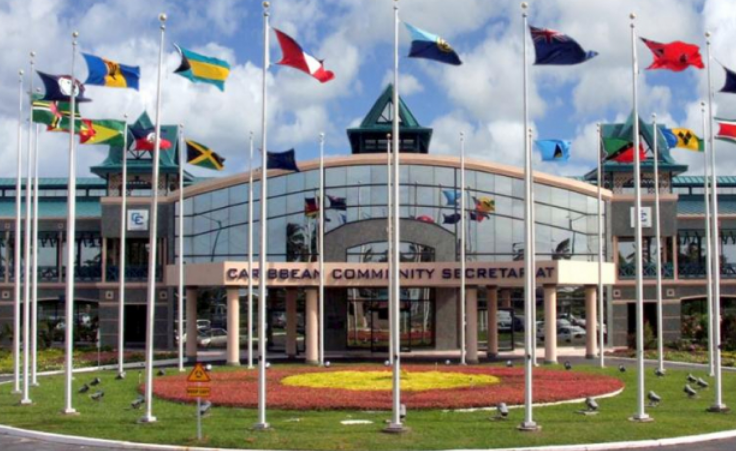
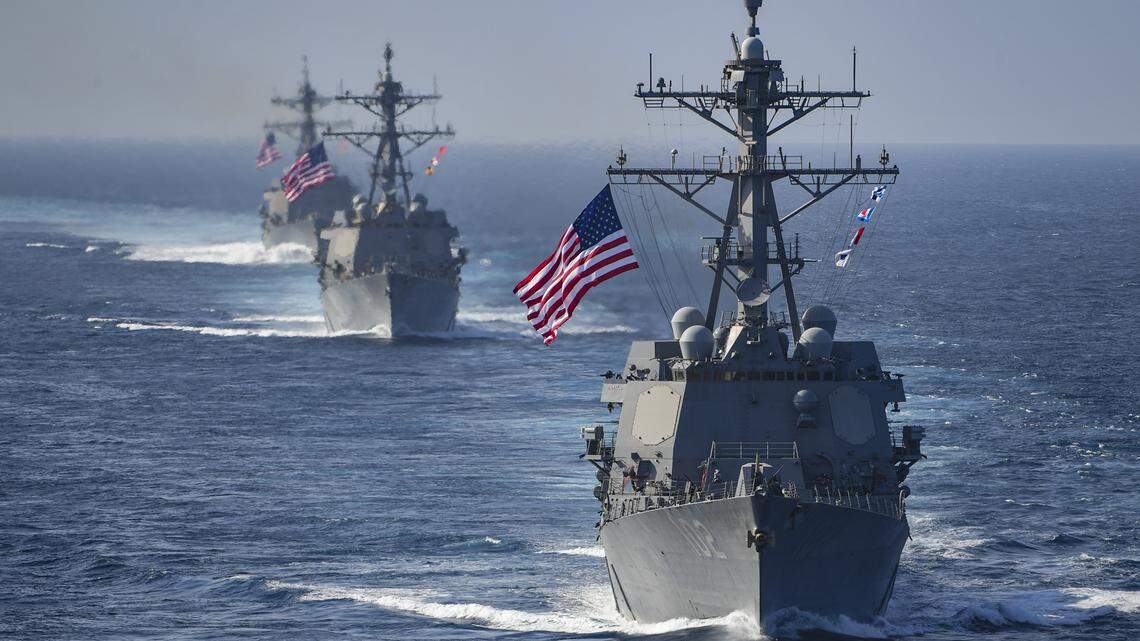
Maritime trade remains the backbone of global commerce, particularly in regions such as the Caribbean and the Gulf, where critical sea lanes connect energy producers, manufacturing centers, and consumer markets. Yet these same routes are vulnerable to disruption from extreme weather, sanctions enforcement, and illicit trafficking. Hurricanes can close ports overnight, while sanctions and interdictions can reroute or delay cargo with little warning. Effective logistics planning now requires contingency modeling that extends well beyond traditional freight considerations.
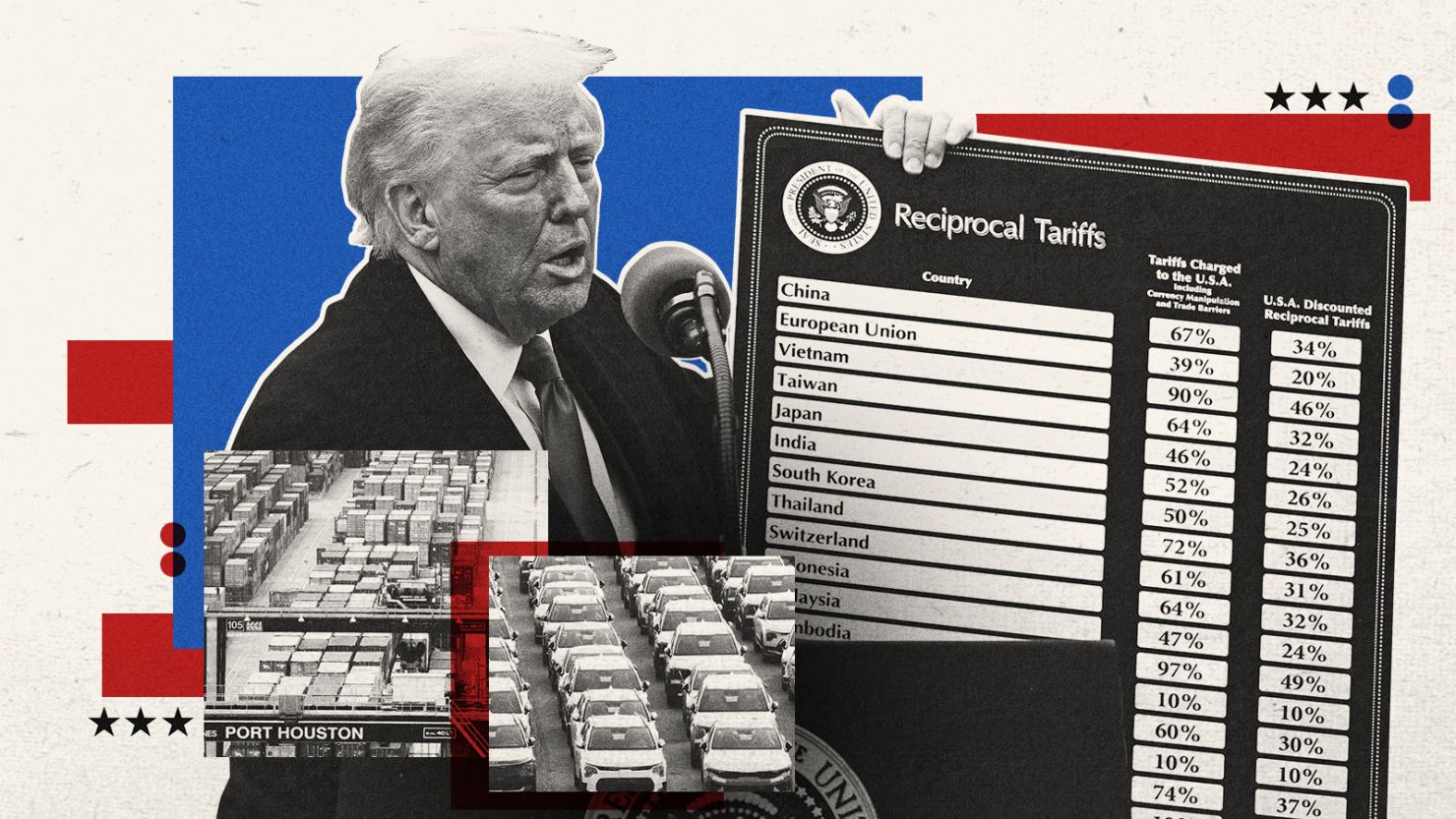
Governments play an increasingly active role in shaping trade flows. Customs enforcement, port security, and multinational cooperation have expanded in response to drug trafficking, sanctions evasion, and transnational crime. While these measures are designed to protect lawful commerce, they also raise compliance burdens for legitimate operators, making documentation, transparency, and partner vetting essential components of modern logistics.
Navigating this environment demands coordination across legal, operational, and diplomatic domains. Companies that invest in diversified routing, strong local partnerships, and regulatory awareness are better positioned to withstand shocks and capitalize on opportunity. As trade and security continue to converge, logistics is no longer merely about moving goods. It is about managing risk in a world where commerce and geopolitics increasingly travel the same routes.

Adapting the Chain: New Protocols in Motion
In response, companies are restructuring how they manage trade and logistics. Risk assessment has moved upstream, with firms conducting enhanced due diligence on counterparties, vessels, and ports of call to ensure compliance with sanctions and maritime regulations. Many operators now require real time vessel tracking, stricter documentation standards, and expanded insurance coverage to mitigate exposure to enforcement actions or unexpected route changes.
Operationally, businesses are diversifying shipping lanes and port access to reduce dependence on single corridors. This includes the use of secondary ports, flexible routing agreements, and regional warehousing to absorb delays. Digital tools such as predictive analytics and automated customs filing are also becoming standard, enabling companies to respond more quickly to disruptions while maintaining regulatory compliance.
These adjustments reflect a broader shift in how logistics is understood. The modern supply chain is no longer a static network optimized solely for efficiency. It is a dynamic system designed to absorb shocks, align with evolving security frameworks, and operate within an increasingly complex geopolitical environment. Companies that adapt to these realities are better positioned to sustain trade flows even as the rules governing global commerce continue to tighten.
A Tech Forward Edge: Clearlane’s Approach
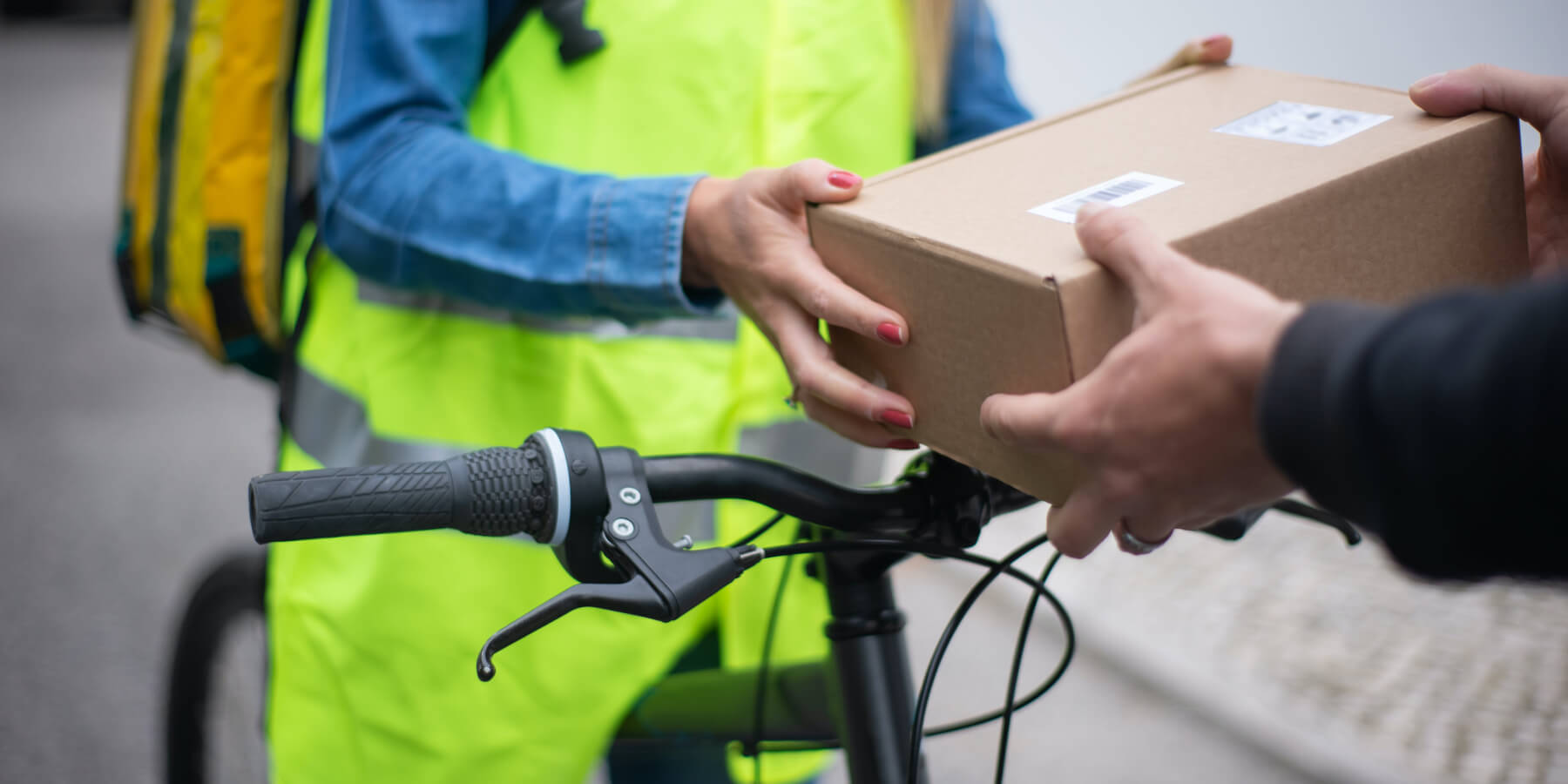
Within this evolving landscape, technology driven logistics platforms are gaining a competitive advantage. Clearlane exemplifies this shift by integrating data analytics, compliance automation, and route optimization into a single operational framework. By combining real time shipment visibility with embedded regulatory checks, Clearlane reduces friction at border crossings and minimizes the risk of delays tied to documentation or enforcement issues.
The company’s tech forward model allows shippers to anticipate disruptions before they occur, adjusting routes, ports, or timing dynamically in response to weather, congestion, or regulatory changes. This approach not only improves efficiency but also aligns logistics operations with the heightened security and compliance expectations now governing international trade. As global commerce becomes more complex, platforms that merge technology with operational discipline are increasingly defining the future of resilient logistics.